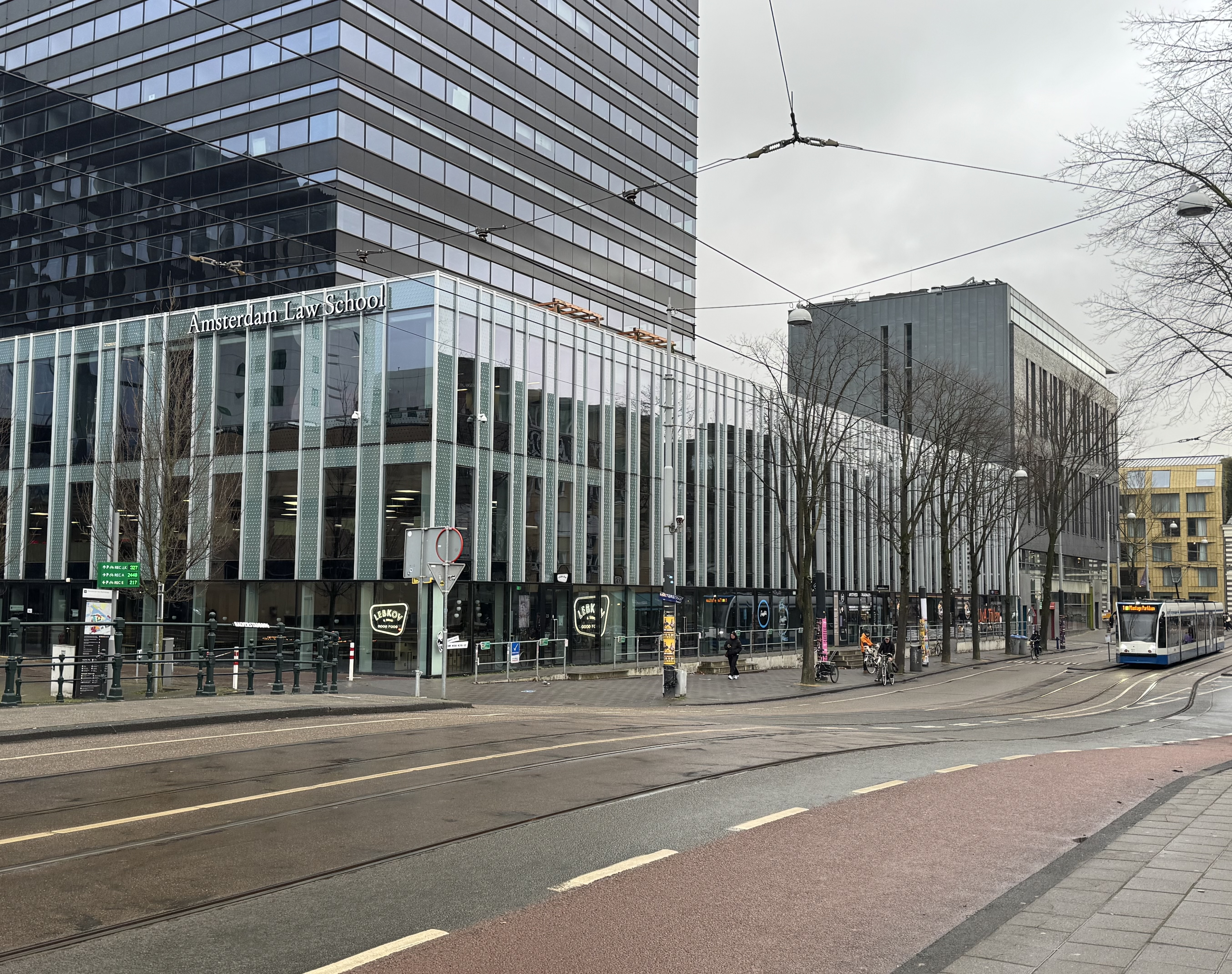
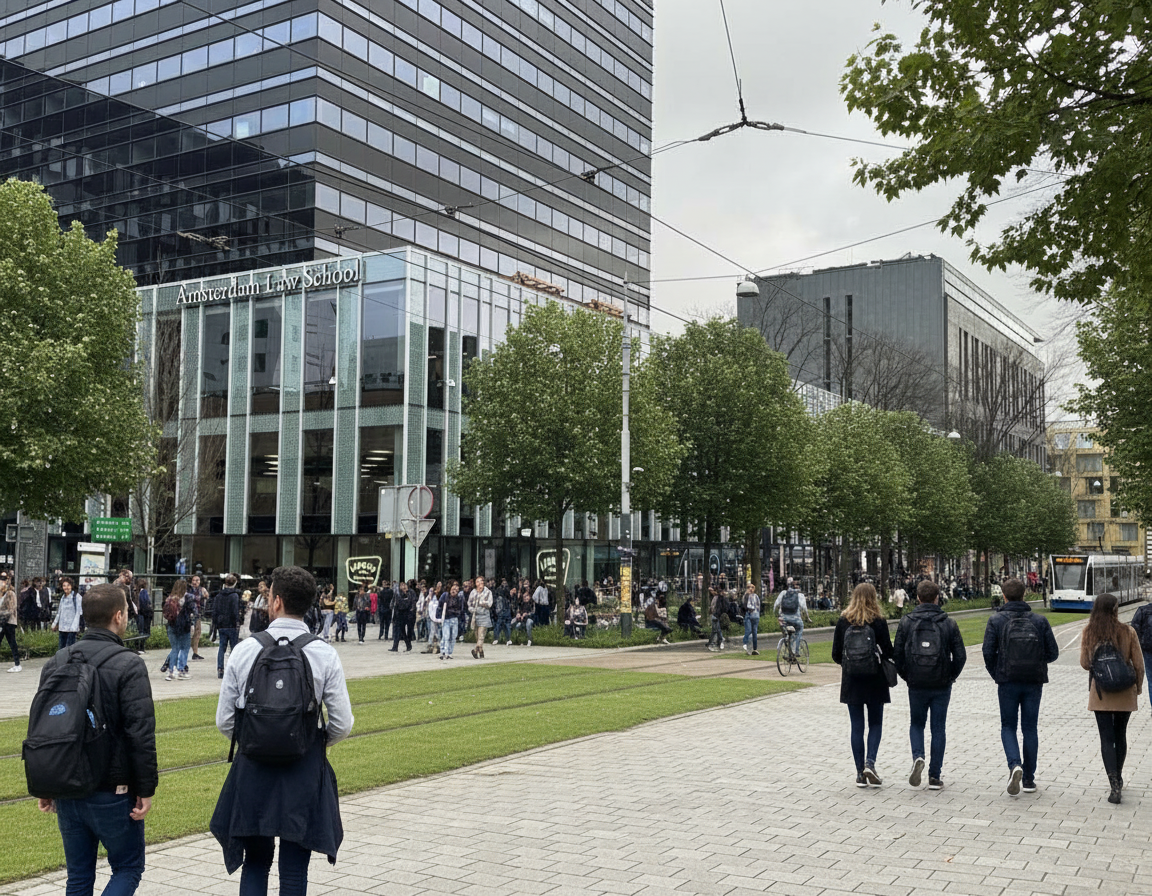
The Current State of Roetersstraat
Sidewalk Width Comparison
Loading latest dataset…
Loading chart...
A data-driven proposal by University of Amsterdam students to establish a Low-Traffic Neighborhood
Loading latest dataset…
—
Loading latest dataset…
Select a scenario to see the projected impact:
Car Traffic
0%
Bicycle Usage
0%
Pedestrian Comfort
0%
Noise Level
0 dB
Green Space
0%
The data is clear: Roetersstraat is unsafe, unbalanced, and prioritizes vehicles over the 75% of users who walk and cycle. Low-Traffic Neighborhoods have proven successful in London, reducing accidents, improving air quality, and garnering overwhelming public support. It's time to bring this proven solution to Amsterdam.